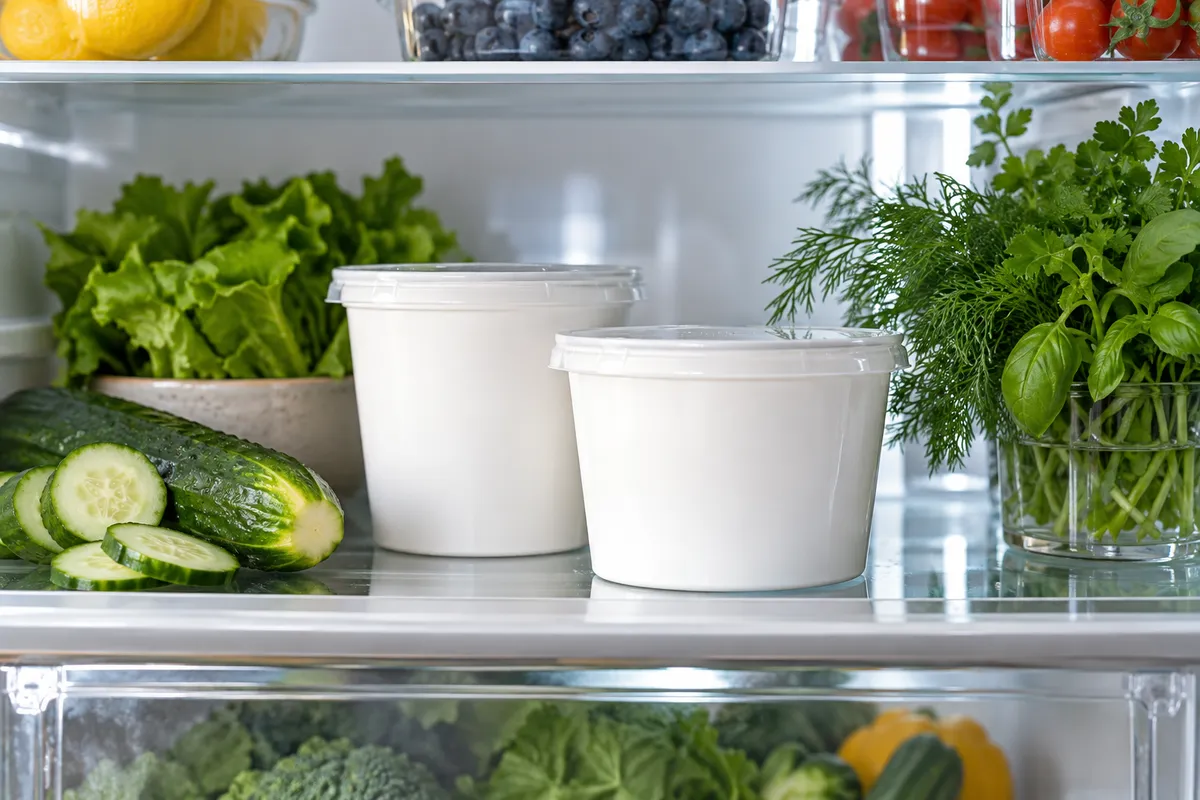
Buying the biggest tub is not always the cheapest way to eat yoghurt. A smaller pack that you finish may provide better value than a large pack you repeatedly throw away. Decide how you will use the product and how many people will eat it before choosing the size. Check the storage instructions and date while shopping, especially if you are buying food for later in the week.
Compare cost and suitability together
Unit prices help compare different tubs, but a product must still meet your dietary needs and taste preferences. A plain yoghurt often works in more dishes than a dessert flavour. If you need lactose-free or dairy-free food, check that specific requirement rather than assuming an expensive premium yoghurt will be suitable. Dairy alternatives vary in fortification and protein. A bargain is useful only if it is safe for you, fits your meals and can be used before it spoils.
Make storage part of the plan
Follow the pack’s refrigeration and after-opening instructions. Use clean utensils and close the container properly. Write the opening date on the lid if this helps you remember when it needs using. For packed lunches, arrange suitable cool storage rather than leaving dairy food warm for hours. A use-by date is a safety instruction, and smell alone cannot tell you whether all harmful bacteria are absent. Ask the manufacturer if you are unsure about a specific product.
A practical example
A two-person household using yoghurt twice a week may prefer a smaller tub, while a family using it in breakfast and cooking may use a larger pack. The right choice depends on actual consumption. Consider the whole shopping basket, including toppings and ingredients, instead of judging value only by the yoghurt price.
Try it this week
Before buying a second tub, check the one already in the fridge. Plan a dish for the remaining amount and note what pack size would have been easier to finish. Put new yoghurt where you can see it and keep prepared dressings in labelled containers. A few simple reminders can prevent more waste than an elaborate meal-prep system.
- Will the pack size be used?
- Have I read the after-opening instructions?
- Is chilled storage available for my packed meal?
Keep the whole meal in view
Think about the job yoghurt is doing in the meal. A spoonful used as a dressing is different from a large bowl used for breakfast, and a dessert pot is different from a plain cooking ingredient. Other foods determine whether the meal is substantial and varied. A product can be convenient without needing to be described as a superfood.
If you do not enjoy yoghurt or cannot safely eat it, there are other ways to plan meals and calcium sources. These guides describe general adult food choices, not a personalised diet prescription. The examples assume suitable ingredients and no relevant allergy; adapt them to your own circumstances.
Persistent digestive symptoms should be assessed instead of being treated by repeatedly changing dairy products.
Check what worked
After using the yoghurt, notice whether the choice solved the practical problem you started with. For example, did the pack size fit your household, did the sauce improve dinner, or did a label comparison answer your question? Keep the choice that works and change the detail that does not.
You do not need to buy several new products at once. Small comparisons are easier to interpret when the rest of the meal stays familiar. If a recipe is enjoyable but inconvenient, simplify the preparation before rejecting it. If a food causes a possible reaction, seek appropriate advice rather than repeating the experiment.
Sources and further reading
Keep exploring
- Greek yoghurt explained: a practical beginner’s guide
- Greek yoghurt nutrition: protein, calcium and label reading
- A flexible Greek yoghurt meal plan: breakfast, lunch and dinner
- Greek yoghurt, digestion and health claims: what to check
- Three easy Greek yoghurt ideas for breakfast and savoury meals
Keep exploring the practical questions.
Explore the guides