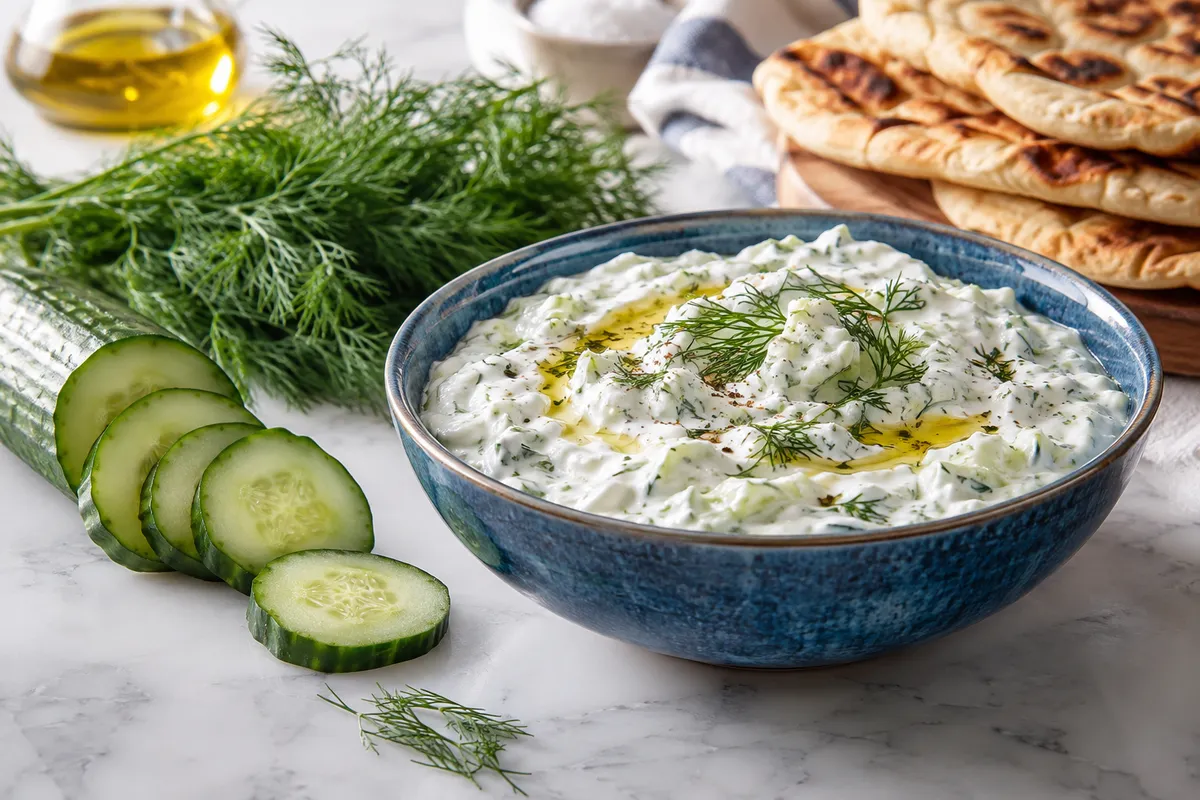
Greek yoghurt is useful because it can take on different flavours without much preparation. These three ideas use ordinary ingredients and can be adjusted to taste. They are meal components, so choose suitable accompaniments and enough food for your appetite. Check dairy, nut and other allergens, and use a yoghurt that suits your dietary needs. A plain product is generally more flexible than one that is already heavily sweetened or flavoured.
A breakfast bowl and a cucumber dressing
For breakfast, combine yoghurt with oats and chopped fruit, then add a few nuts or seeds if suitable. Taste before adding honey or another sweetener. For a savoury dressing, grate cucumber, squeeze away some excess moisture and mix it with yoghurt, chopped mint or dill and lemon. Serve beside beans, vegetables or bread. Adjust the thickness with a little suitable liquid if needed. Making a small batch lets you find a balance of tang and texture you enjoy.
Use yoghurt carefully in warm dishes
Yoghurt can split when heated aggressively. For a smoother finish, lower the heat and stir in a suitable spoonful near serving, following the recipe and product instructions. It can also be served separately as a cool topping. Do not assume that cooking makes an allergenic ingredient safe. If a recipe requires a dairy-free alternative, choose one intended for the dish and check how it behaves. Some plant-based products differ considerably in thickness, flavour and nutritional content.
A practical example
Try a potato and bean lunch with a spoonful of cucumber-yoghurt dressing, or a bowl of lentil stew with a cool yoghurt topping and bread. At breakfast, use familiar oats and fruit rather than assuming you need expensive granola. The aim is a useful cooking ingredient, not a compulsory recipe format.
Try it this week
Make one dressing in a small bowl and taste it with the food it will accompany. Add flavour gradually so the yoghurt remains balanced rather than becoming dominated by lemon or garlic. Keep a note of the combination you liked, including any substitutions. Use clean utensils and refrigerate prepared leftovers according to safe storage guidance.
- Have I checked all ingredients for allergens?
- Does the dish need more food to make a meal?
- Have I avoided overheating a sauce that may split?
Keep the whole meal in view
Think about the job yoghurt is doing in the meal. A spoonful used as a dressing is different from a large bowl used for breakfast, and a dessert pot is different from a plain cooking ingredient. Other foods determine whether the meal is substantial and varied. A product can be convenient without needing to be described as a superfood.
If you do not enjoy yoghurt or cannot safely eat it, there are other ways to plan meals and calcium sources. These guides describe general adult food choices, not a personalised diet prescription. The examples assume suitable ingredients and no relevant allergy; adapt them to your own circumstances.
Persistent digestive symptoms should be assessed instead of being treated by repeatedly changing dairy products.
Check what worked
After using the yoghurt, notice whether the choice solved the practical problem you started with. For example, did the pack size fit your household, did the sauce improve dinner, or did a label comparison answer your question? Keep the choice that works and change the detail that does not.
You do not need to buy several new products at once. Small comparisons are easier to interpret when the rest of the meal stays familiar. If a recipe is enjoyable but inconvenient, simplify the preparation before rejecting it. If a food causes a possible reaction, seek appropriate advice rather than repeating the experiment.
Sources and further reading
Keep exploring
- Greek yoghurt explained: a practical beginner’s guide
- Greek yoghurt nutrition: protein, calcium and label reading
- A flexible Greek yoghurt meal plan: breakfast, lunch and dinner
- Buying and storing Greek yoghurt: a practical shopping guide
- Greek yoghurt, digestion and health claims: what to check
Keep exploring the practical questions.
Explore the guides